What Type of Urn Can You Take on a Flight from the UAE?
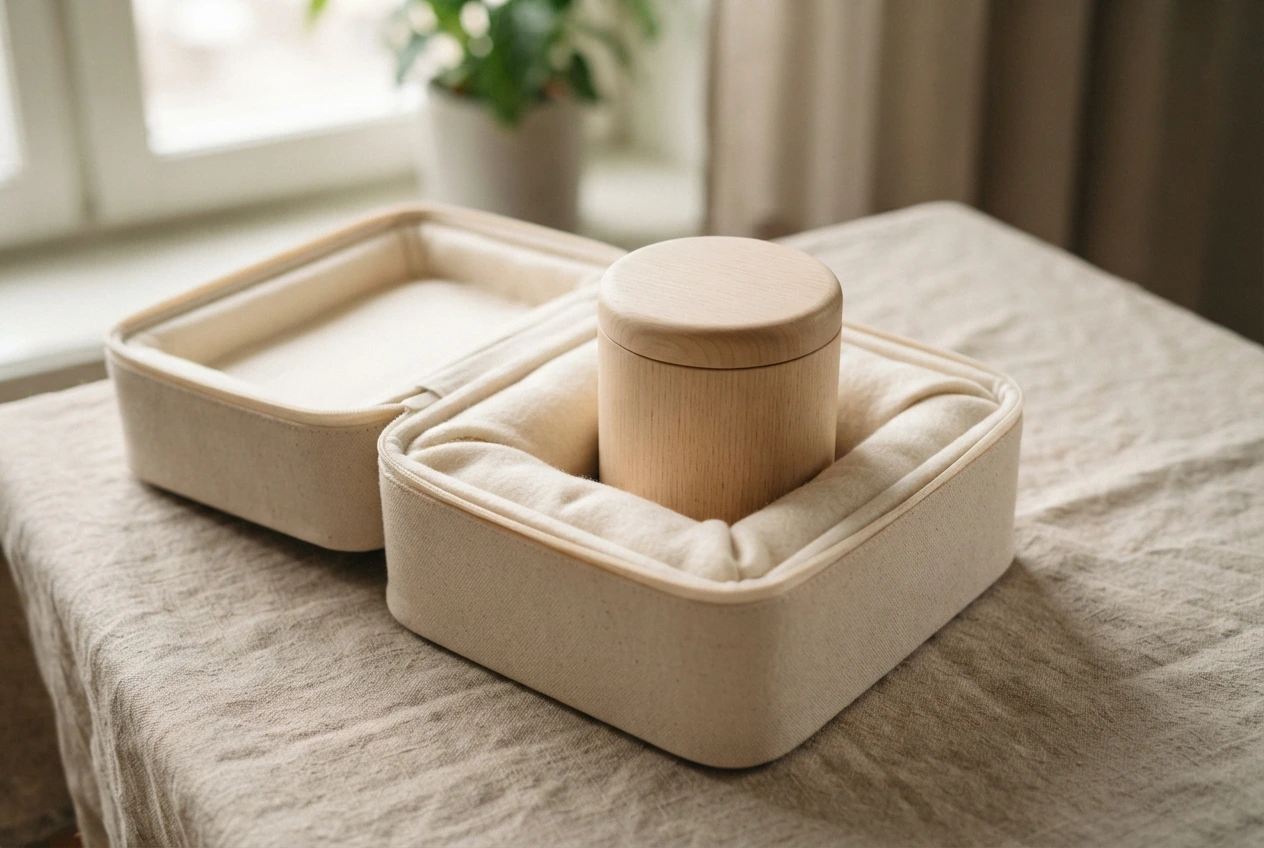
When choosing an urn in the UAE for a flight, pick one made of wood, plastic, cardboard or plain ceramic so airport X-ray can see through it, and pack it in a sturdy, padded outer box. Carry the death certificate and cremation certificate. Check your airline first: Etihad does not allow ashes in the cabin on any flight, only in checked baggage or cargo, while Air India Express lists ashes as allowed in both cabin and checked bags.
Bringing a loved one’s ashes home is often the most personal part of the journey. Many families want to hold the urn on their lap the whole way. Whether that is possible depends on two things you can check in advance: what the urn is made of, and which airline you fly.
This guide is only about the container and the flight. For the permits and the export steps, see taking ashes from Dubai to another country.
Why the urn material matters
Airport security screens every bag. Security staff will not open an urn out of respect, so they have to be able to see inside it on the X-ray. If the image is opaque, the urn may be refused at the checkpoint. The UK Civil Aviation Authority, for example, advises ceramic, plastic or wooden containers and warns against metal or crystal ones. Other airports apply the same logic.
Material | For flying |
Wood (unlined) | Usually screens well. A good choice for a travel urn. |
Plastic or polymer | Screens well and is light. Common as a temporary urn. |
Cardboard or biodegradable | Screens well. Useful if the ashes will be scattered or buried in water. |
Plain ceramic | Usually acceptable, but fragile, so pack it with care. |
Metal (brass, steel, pewter) | Often blocks the X-ray. Avoid for cabin baggage. |
Stone, marble, crystal or lead-lined | Dense or opaque. Likely to cause problems at screening. |
If you already own a beautiful brass or marble urn, one practical option is to travel with the ashes in a simple screenable container and transfer them into the keepsake urn at home.
Size and weight
Most adult ashes weigh roughly two to three kilograms, so a travel urn does not need to be large. Check the urn’s capacity before you buy, and leave a little space so the lid closes without pressure. A heavy stone urn can also eat into your baggage allowance, which is another reason families choose a lighter container for the journey and keep the formal urn for the ceremony at home.
Airline rules for ashes from Dubai and Abu Dhabi
Rules differ by airline, and they change. Always check on the airline’s own page or with its call centre before you fly.
Etihad Airways
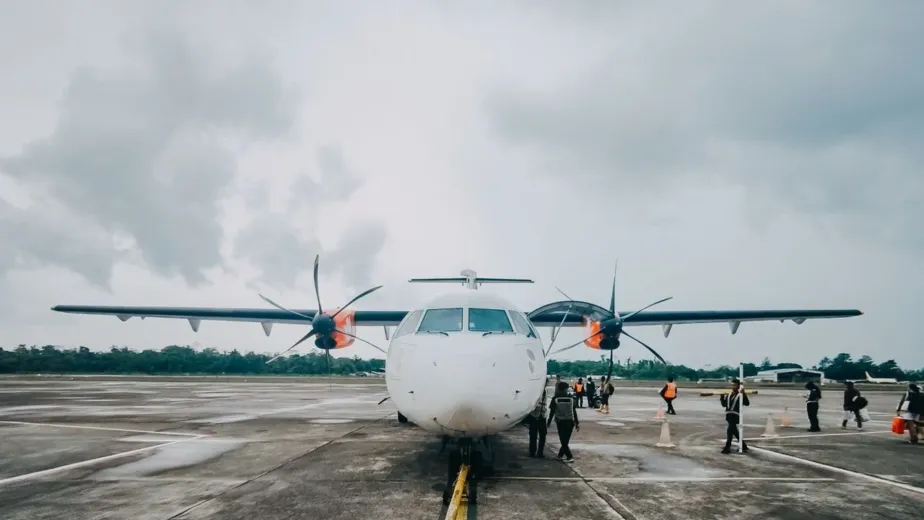
Etihad states that cremated remains can travel in an urn in checked baggage or as cargo on all its flights, and that carrying ashes in the cabin is strictly prohibited. The urn must be packed in a secure outer box or case, and you should be ready to show a cremation certificate and death certificate if asked.
Emirates
Emirates has generally accepted ashes in checked or cabin baggage, provided the container is sealed, secure and well cushioned inside an outer box. For cabin carriage, expect to show the death and cremation certificates. Confirm the current rule with Emirates when you book.
flydubai
We could not find a published ashes rule on flydubai’s own pages. Contact flydubai before travelling and get the answer in writing if you can.
Air India and Air India Express
Air India Express lists ashes as allowed in both cabin and checked baggage, and Air India lists cremation urns as allowed in both. Families taking asthi to India often prefer this so the urn stays with them.
Other airlines
For any other carrier, including PIA, ask the airline directly. Many airlines need advance notice for anything unusual in the cabin.
Getting through security at the airport
Dubai Airports includes cremated remains in its departures guidance on restricted items, so allow extra time at screening. A few things help:
- Keep the urn in your cabin bag in its own padded box, easy to lift out.
- Have the certificates in your hand, not packed in the hold.
- Tell the officer at the start that the bag contains cremated remains.
- Do not try to open the urn yourself unless asked.
If an urn cannot be screened, you may be asked to check it in instead, or it may be refused. Choosing the right material avoids that moment.
Documents to carry with the urn
- Death certificate (with an official translation if needed at the destination)
- Cremation certificate from the crematorium
- Any permit or clearance the destination requires
- Copy of the deceased’s passport
- Your own passport and ticket
GOV.UK’s general advice is that when you leave a country with ashes you will normally need the death certificate and the certificate of cremation. In the UAE, cremation takes place at the crematorium in Jebel Ali, which issues the cremation certificate; the cremation process in Dubai explains how that works.
Destination rules, briefly
- India: check current requirements with the Indian Consulate before you fly, because rules for ashes are lighter than for a body but can still involve paperwork at arrival.
- United Kingdom: you do not need a coroner’s authority to bring ashes in. Carry the death and cremation certificates.
- Philippines: the receiving side may ask for a quarantine permit from the Bureau of Quarantine as well as the cremation certificate. Check with the Philippine Consulate General in Dubai.
A simple packing routine
- Choose a screenable travel urn with a tight, sealed lid.
- Wrap it in soft cloth and place it in a rigid box with padding on all sides.
- Label the box discreetly with your name and phone number.
- Keep documents in a folder in your hand luggage.
- Arrive early, and tell check-in staff what you are carrying.
Sending the ashes without travelling
Not every family can fly. Ashes can also travel as air cargo with a receiving funeral director at the other end. Our ash and urn repatriation service handles that, from the cremation certificate to the handover.
Frequently asked questions
Can I take ashes in my hand luggage from Dubai?
It depends on the airline. Etihad does not allow it on any flight. Air India Express lists it as allowed. For Emirates and others, check the current rule before you fly, and use a screenable urn.
Can I buy an urn in the UAE?
Yes, families do source urns locally, and some prefer to bring a family urn from home. If you are unsure what will pass screening, ask us and we can advise on a suitable travel container.
Do I need to declare the ashes?
Tell the airline and the security officer. The destination may also have its own declaration, so check with its consulate.
Can the ashes be split between family members?
Some families do this, each carrying a small urn. Each container should be screenable and each carrier should have copies of the certificates.
Tell Us What Has Happened. We Will Guide You.
During a difficult moment, your family should not have to learn unfamiliar procedures while trying to grieve.
Global Nest Worldwide provides one point of coordination for funeral, burial, cremation and repatriation arrangements in Dubai and across the UAE.