What Is Sonapur Embalming Centre Shed 6 and What Happens There?
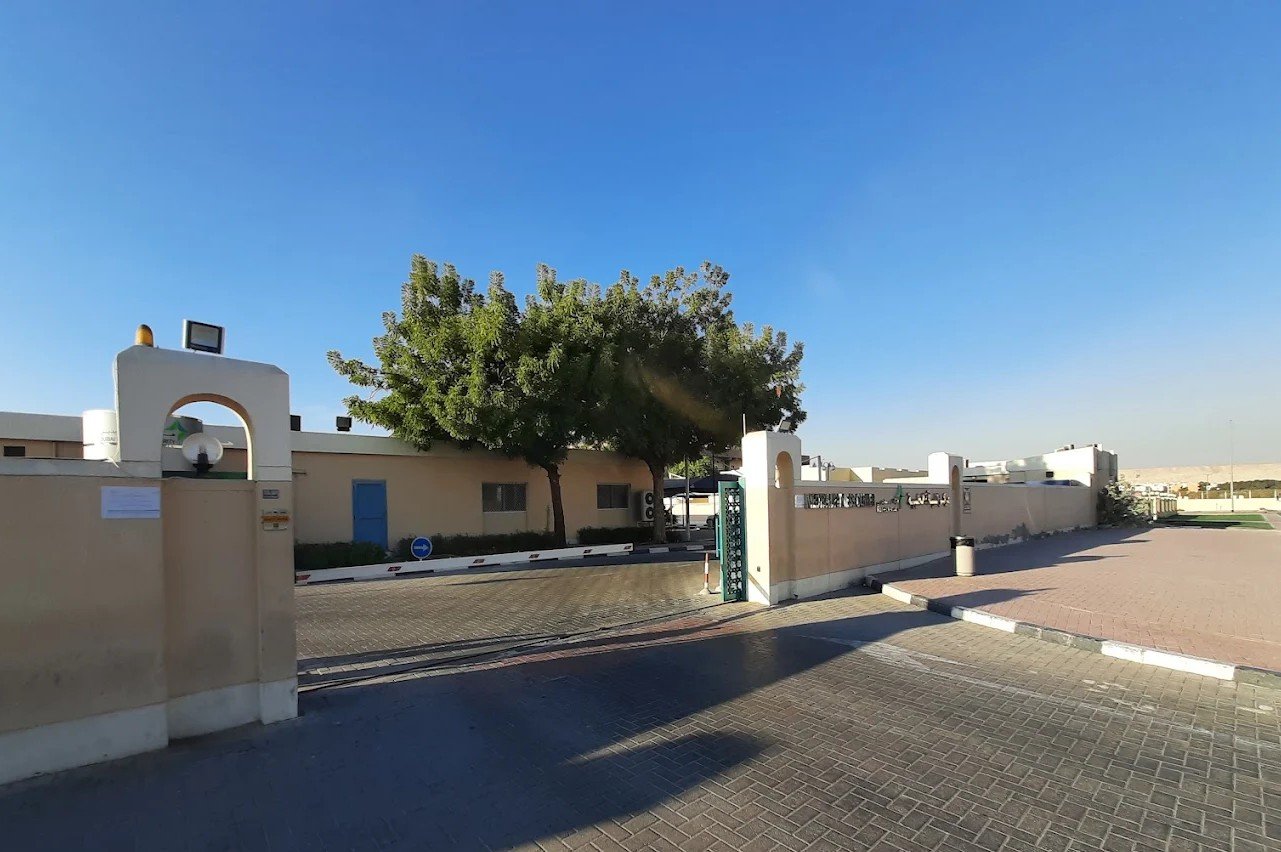
“Sonapur Embalming Centre Shed 6” is the name map apps use for Dubai Health’s embalming unit at the Al Muhaisnah Medical Fitness Centre, in Muhaisnah 2, the area most people call Sonapur. The embalming team prepares bodies for air transport at the centre. It needs the death certificate and notification, the police letter, the embassy letter, a passport copy and an electronic airline ticket. After embalming it issues the paperwork the airline needs, and families can usually gather there to say goodbye.
If a funeral company or a consulate has told you to go to “Shed 6” or “the embalming centre in Sonapur”, you are probably trying to find a building you have never seen, at a time when you can barely think. This guide tells you what we can confirm about the place, what happens inside, and what to bring.
What and where is Sonapur Embalming Centre Shed 6?
There is no separate private building called Shed 6. The official service is Dubai Health’s Embalming and Repatriation of the Deceased, and Dubai Health lists its location as the Al Muhaisnah Medical Fitness Centre. News reports describe the same place as the embalming unit of the Medical Fitness Centre in Muhaisnah.
Map apps list it as “Sonapur Embalming Centre Shed 6” on 8b Street, Muhaisnah 2. Sonapur is the older, everyday name for this part of Muhaisnah, which is why both names are used. So if you search a map for the Shed 6 name, it should take you to the right place. Give a taxi driver “Al Muhaisnah Medical Fitness Centre” as well.
A few practical points:
- It is not in Jebel Ali. The crematorium in Jebel Ali is often called the “New Sonapur” cremation ground, and families mix the two up. Embalming is in Muhaisnah; cremation is in Jebel Ali.
- Opening hours listed on map apps vary and may not match holiday timings. Call Dubai Health on 800 60, or ask your funeral coordinator, before you set off.
- You usually go there for a set time agreed with whoever is handling the case, rather than turning up on spec.
Why bodies are embalmed before leaving Dubai
Airlines require the embalming team to embalm the remains and seal them in a coffin before air transport, and most receiving countries ask for proof of it. In Dubai, Dubai Health carries out this step. Families who arrange burial or cremation in the UAE generally do not need embalming for air transport, so if the plan changes, check whether it is still needed.
Some families ask about religion. Muslim burials normally take place quickly and without embalming, and many Muslim families bury in the UAE. If a Muslim family needs repatriation, talk to your coordinator and your consulate about what the airline and the destination require.
Documents the embalming centre needs
Dubai Health lists these:
- Death certificate
- Death notification from the hospital or police surgeon
- Letter from the police
- Letter from the embassy or consulate (its no objection to sending the body home)
- Electronic copy of the airline ticket or cargo booking
- Copy of the deceased’s passport
Since December 2025, Dubai’s Jabr system issues the death certificate automatically and assigns a government service officer, so families no longer queue for it the way they once did. The embassy letter and the flight booking are what usually take time. Our guide to the full list of repatriation documents explains each one.
If the death involved an infectious disease, Dubai Health asks you to call its contact centre first, because different handling applies.
What happens there, step by step
- Your loved one arrives from the mortuary- The hospital or police mortuary releases the body, and it is brought to Muhaisnah by ambulance.
- Documents are checked- The funeral company or your representative submits the papers above.
- Identification- Someone has to identify the deceased. The U.S. Embassy notes that this is needed both before and after embalming. Usually it is a relative, friend or colleague who knew the person.
- Embalming- Trained staff carry this out. Families are not present for the procedure itself.
- Dressing and the coffin- The team places the body in a coffin suitable for air travel. Dressing in the person’s own clothes is not always allowed; a shroud may be used instead. Ask in advance if this matters to you.
- The centre issues the necessary paperwork- The centre issues the embalming certificate and the documents for the body to leave the country.
- Viewing and farewell- Families and friends often gather at the centre before the coffin leaves.
- Transfer to the airport- The coffin goes to the cargo terminal for the flight.
Can family attend or view the body?
Usually yes, for the farewell. News coverage regularly describes relatives, colleagues and community members gathering at the Muhaisnah embalming centre to pay their respects before a flight. Space and time are limited, so agree in advance how many people are coming and when.
Some families prefer not to view, and that is fine. If you can’t be there, ask whoever is handling the case whether a trusted friend can attend, and whether a short video call is possible. Rules on photos and filming are for the centre to decide on the day.
The embalming certificate
This is the document families most often ask about later. It confirms the body has been embalmed, and the airline, your consulate and the authorities at home may all ask for it. Together, the embalming certificate and supporting documents help families complete the required departure procedures.
Practical tips:
- Ask for several copies. The airline takes one, the person receiving the body at home needs one, and you may need one for insurance or a death registration at home.
- Check the name and passport number against the passport before you leave. Mistakes are much easier to correct in Dubai.
- If your country needs a translation or attestation, ask early. Some do; many accept the documents as issued.
Timing and the airline handover
The embalming team begins preparing the body once the relevant authorities release it and the family completes the documents. The team usually schedules embalming for the flight date or the previous day to avoid unnecessary delays.
At the airport, the funeral coordinator hands the coffin and supporting documents to the airline’s cargo team. For the Emirates SkyCargo route, the airline’s list is the death certificate with cause of death, the embalming certificate, the import permit from the destination, a hermetic-seal certificate and the laissez-passer. Your embassy usually also wants the cancelled passport and the passenger ticket.
The time from death to flight depends mostly on the embassy letter, police clearance and seat availability on cargo flights. A natural death in hospital moves much faster than one where the police are involved. Your coordinator should give you a realistic estimate for your case.
What does it cost?
Dubai Health publishes its fees for this service on its own service page, split into embalming, ambulance, the company handling the body and typing. Fees change, so we confirm the current total with you when the case starts. The embalming fee is only one part of repatriation; airline cargo is usually the largest cost. See what repatriation costs for the full picture, or our embalming and documentation support page for how we help.
Frequently asked questions
Where can I get a body embalmed in Dubai?
At Dubai Health's embalming unit at the Al Muhaisnah Medical Fitness Centre in Muhaisnah 2, shown on maps as Sonapur Embalming Centre Shed 6. Bodies being flown out of Dubai are embalmed there.
Where is Sonapur in Dubai?
Sonapur is the everyday name for Muhaisnah, in the east of Dubai near the Sharjah border. It is not the same place as the "New Sonapur" crematorium in Jebel Ali.
Can I see my loved one before the flight?
Usually yes. Families often gather at the embalming centre for a short farewell. Agree the time and the number of people in advance.
Do Muslims allow embalming?
Muslim burials normally take place without embalming, and quickly. When a Muslim body has to be flown abroad, the airline and destination requirements apply, so talk to your consulate and coordinator.
Why is embalming required before repatriation from Dubai?
Bodies leaving Dubai by air are generally embalmed and sealed in a suitable coffin before being accepted for international transport.
Can family members view the body at Sonapur Embalming Centre?
Usually yes. Families can often attend for a farewell before the coffin is transferred to the airport, subject to the centre’s arrangements.
How long does embalming take before a repatriation flight?
The timing depends on body release, police and embassy clearances, and the confirmed flight. It is often arranged close to the departure date.
What happens after embalming is completed?
The centre issues the required certificate and documents, the coffin is prepared for air transport, and it is then transferred to the airline cargo terminal.
Tell Us What Has Happened. We Will Guide You.
During a difficult moment, your family should not have to learn unfamiliar procedures while trying to grieve.
Global Nest Worldwide provides one point of coordination for funeral, burial, cremation and repatriation arrangements in Dubai and across the UAE.